
Understanding the UK Horse Racing Scene: Why Races Might Be Not On
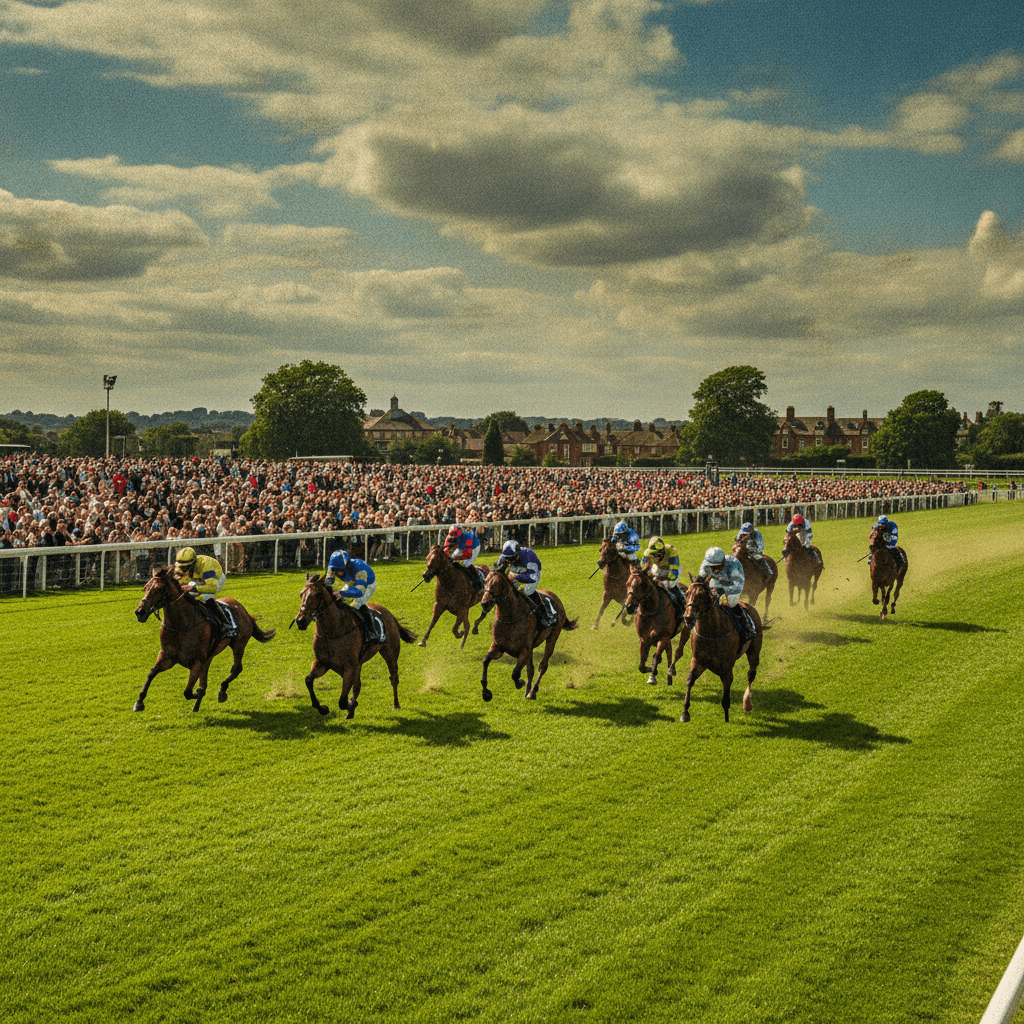
Horse racing is often referred to as the “Sport of Kings,” a testament to its long-standing tradition and popularity within the UK. However, there are times when races are unexpectedly UK Horse Racing Not on GamStop shepslondon.com, leading to disappointment for fans and participants alike. This article delves into various factors that can influence the scheduling of horse racing events in the UK, examining weather conditions, health and safety protocols, and other unforeseen circumstances that can lead to the cancellation or postponement of races.
1. Weather Conditions: The Primary Culprit
One of the most significant factors that can lead to races being called off is bad weather. Heavy rain, high winds, snow, or icy conditions can render a racetrack unsafe for both horses and jockeys. The integrity of the racing surface is paramount; a wet and muddy track can lead to injury risks, particularly for thoroughbreds who are bred for speed and stamina rather than for rough conditions.
Racecourses usually have an established protocol to monitor weather patterns leading up to an event, utilizing advanced technologies and meteorological forecasts. Furthermore, racecourse officials will assess the track conditions in the days leading up to the race. If conditions deteriorate, they may make the difficult decision to cancel the event to ensure everyone’s safety.
2. Health and Safety Protocols
The health and safety of both animals and humans are taken very seriously in the UK horse racing industry. In light of recent health crises, such as the COVID-19 pandemic, events may be canceled or postponed due to health risks. This includes requirements for social distancing and strict hygiene measures that may be unfeasible in a crowded racing environment.
Moreover, the well-being of the horses themselves is a top priority; should a horse show signs of illness or injury, races involving that horse can be suspended or canceled until a thorough examination is conducted. This precautionary measure serves to protect not just the health of the individual horse but also that of other horses and competitors in the race.
3. Administrative Issues
Occasionally, administrative issues can interfere with the race schedule. These may include concerns regarding the legality of an event or compliance with regulatory requirements. Licensing issues, disputes between race sponsors, or even logistical problems around the transportation of horses can cause races to be postponed or canceled altogether.
The British Horseracing Authority (BHA) oversees all horse racing in the UK, and it is their responsibility to ensure that all events comply with legal standards. When complications arise, they may step in and put a hold on races until the issue has been resolved.
4. Track Maintenance
Regular maintenance of racetracks is crucial to ensure safe and fair racing conditions. Scheduled maintenance periods or urgent repairs to the track can mean that races must be temporarily canceled. These maintenance operations are crucial as they guarantee the longevity and safety of the racing surface, which can otherwise be damaged by extreme weather or excessive use.
Moreover, modern technology has improved how racetracks are maintained, allowing for more reliable surfaces that are less likely to suffer from sudden issues. Nonetheless, maintenance checks are necessary, and they may cause delays or cancelations that impact upcoming races.

5. Impact on Stakeholders
The cancellation or postponement of horse racing events can have a ripple effect across the entire industry. Fans feel disappointment, par
ticularly those who have traveled long distances to attend the event. Bookmakers also face significant financial impacts; a canceled race often leads to reduced betting activity, affecting their profits.
On the other side, horse trainers and stable staff might face challenges in managing their horses’ racing schedules. Planning and hard work can be rendered moot when races are not conducted as planned. Furthermore, horses have specific training regimens designed to prepare them for races, and any disruption could affect their performance in future events.
6. Alternatives and Future Provisions
As the industry learns from past experiences, various innovations and contingency plans are being considered to mitigate the impact of race cancellations. Virtual racing, for instance, has gained significance, particularly during the pandemic, offering fans an alternative to live events.
Furthermore, increasing awareness around rider and equine health can lead to improved protocols, and utilizing technology to monitor track conditions might help avoid preventable cancellations. The integration of data analytics can allow for predictive assessments that might minimize disruptions, allowing participants and fans to enjoy a steadier racing calendar.
Conclusion
In summary, the UK horse racing scene is vibrant and steeped in tradition, but like any sport, it faces unique challenges that can lead to events being not on. Weather conditions, health and safety protocols, administrative issues, and track maintenance all play critical roles in determining whether races can proceed. As the industry adapts to changing circumstances, stakeholders remain hopeful that innovative measures will ensure that horse racing continues to thrive in a safe, fair, and exciting environment.